
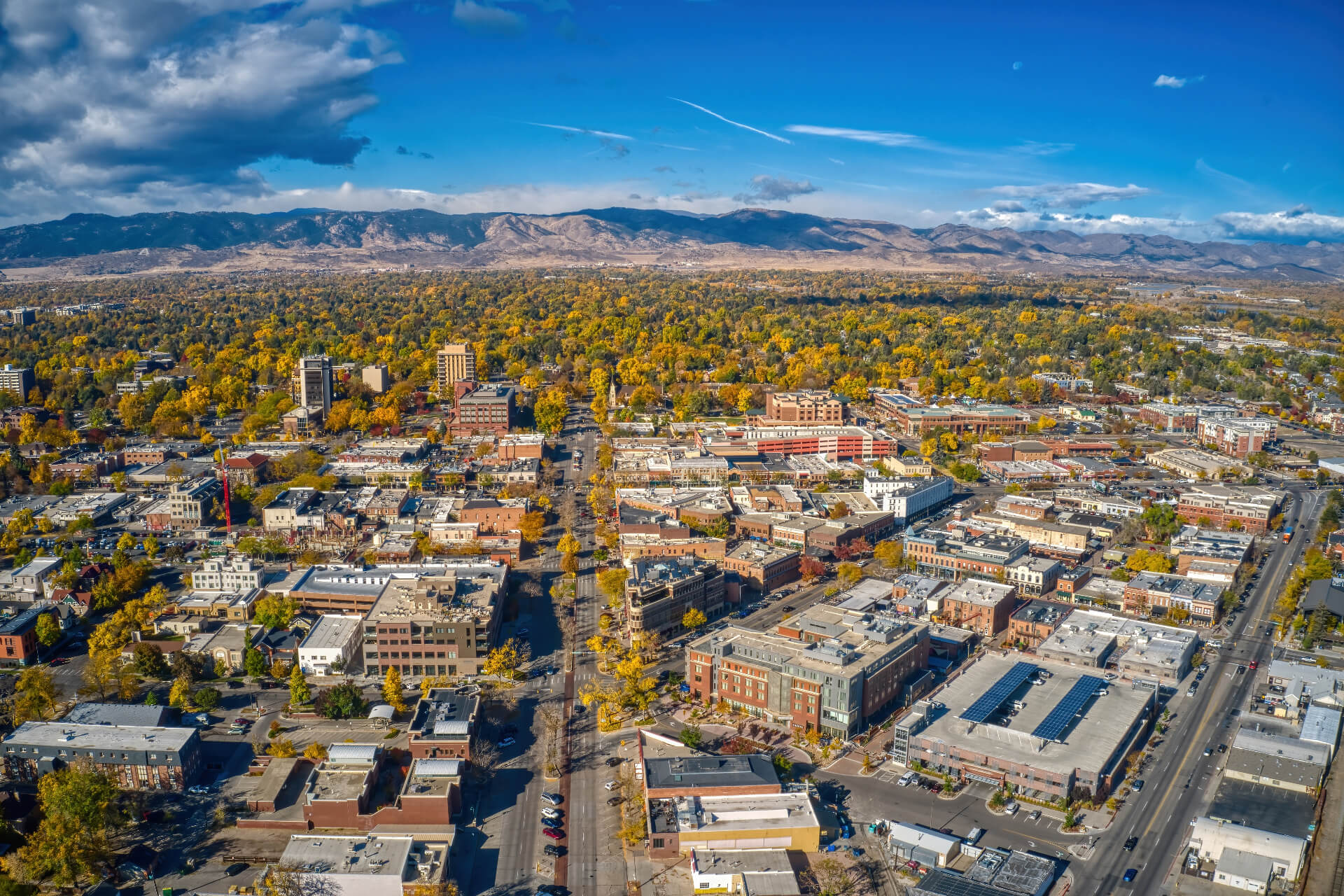


How does closing work when you buy a home in Fort Collins, Colorado?
In Colorado, a title company runs your closing, not an attorney. You sign your loan and closing documents, your funds are verified, the deed is recorded with Larimer or Weld County, and then you get the keys.
If you're moving to Northern Colorado from another state, closing here may look different from what you've heard from friends back home. There may be no attorney at the table. Your property tax credit may surprise you. And you might be signing from a kitchen table two time zones away while the moving truck is still on I-80.
I've been guiding buyers through Colorado closings since 1998, and relocation buyers tend to have the same handful of questions. Who actually runs this? Do I have to fly in? When do I get the keys? Here's exactly what to expect when you close on a home in Fort Collins, Windsor, Loveland, Timnath, or Greeley.
Key Takeaways
- In Colorado, a title company (not an attorney) holds your earnest money, prepares the closing documents, and disburses funds under written closing instructions.
- You can often close on a Northern Colorado home without flying in, but your lender and title company must approve a mail-away or remote signing in advance.
- You own the home once the closing agent confirms funding and records the deed, not the moment you sign. Your contract's possession terms decide when you get keys.
- Fort Collins and Loveland record in Larimer County, Greeley records in Weld County, and Windsor and Timnath parcels can fall in either.
- Colorado property taxes are paid a year behind, so buyers usually see a tax credit from the seller on the Closing Statement.
- Wire fraud targets buyers at closing. Confirm wire instructions by phone, at a number you look up yourself.
How is closing different in Colorado?
In Colorado, your closing is handled by a title company. If you're coming from a state where an attorney runs the closing, this is the biggest adjustment. You're always free to hire an attorney, but one isn't required at the table.
According to the Colorado Division of Real Estate, the title company verifies ownership, identifies liens or encumbrances, issues title insurance where applicable, prepares the closing documents, and coordinates the transfer of funds. It also typically holds your earnest money from the day you go under contract. That's a lot riding on one party, which is why choosing an experienced local title company matters.
Your closing date is written into your purchase contract. Colorado's standard contract lays out a series of deadlines leading up to it, from inspection and appraisal to loan approval. How long that runs depends on your financing, appraisal timing, and title work, so we'll map your specific calendar together the day you go under contract.
What happens on closing day, step by step?
Closing can feel like a blur of paperwork, but there's a clear sequence behind it. I walk every buyer through it before we ever sit down at the title company, because knowing what's coming takes most of the stress out of it.
- Final walkthrough. Shortly before closing, you confirm the home is in the condition you agreed to and any negotiated repairs are done. Relocating buyers can do this by live video if they can't be here.
- Title company prepares the file. It works from your purchase contract, earnest money, lender materials, and the written closing instructions.
- Lender finalizes your loan. Your loan documents and funding conditions are locked in, and you receive your Closing Disclosure.
- You review and sign. You confirm the settlement figures, present photo ID, and sign your loan documents (including the promissory note and deed of trust) along with the title company's closing forms.
- The seller signs. The seller signs the deed and any payoff documents for their existing loan.
- Funding and recording. The closing agent confirms your lender's funds arrived, records the deed with the county, and disburses money under the closing instructions.
- Keys. You receive possession according to your contract, not simply because you signed the last page.
That last step trips up a lot of buyers. Signing isn't the finish line; funding and recording are. Plan to wait for confirmation that recording is complete before you schedule the movers to unload.
The walkthrough is where my background earns its keep. I managed subdivision development at Old Town North for about a decade and earned my M.S. in Construction Management from Colorado State University, so I look at a finished repair the way a job-site manager would. If a repair was patched instead of fixed, we want to know before you sign, not after.
Can you close on a Colorado home from out of state?
Often, yes. Many relocation buyers close before they ever move here. What's possible depends on your lender and title company, so raise it early, ideally the week you go under contract.
Your signing options
- In person. You sign at the title company's office in Northern Colorado, often the simplest route if you're already in town house-hunting or moving.
- Mail-away signing. The title company sends your documents to you, and you sign in front of a notary where you live. If originals have to travel back by overnight courier, funding and recording may wait for them, which can shift when you get keys.
- Remote online notarization. Some lenders and title companies allow part or all of the signing by video. Not every loan type accommodates it, so confirm before you count on it.
- Power of attorney. Someone signs on your behalf. Lenders and title companies must approve the POA in advance, and many require a specific form, so this can't be a last-minute fix.
Your relocation closing checklist
- Call your bank about wire limits now. Some banks cap daily wires or require you to start a large wire in person at a branch. Find out before closing week, not on closing day.
- Line up homeowners insurance early. Your lender will require proof of coverage. Colorado is hail country, and many policies here carry a separate wind and hail deductible, so read that line before you choose a policy.
- Confirm your utility providers. Providers depend on the exact address. Even within Fort Collins city limits, water can come from the city or from a separate water district, so we'll confirm yours rather than guess.
- Build in buffer. Out-of-state buyers do best when the moving truck arrives a day or two after the scheduled closing, not the same morning.
What will you see on your Colorado Closing Statement?
Two Colorado forms do the heavy lifting, and both are on the Division of Real Estate's approved forms list. The Closing Instructions authorize what the closing company does, including what gets recorded and how funds are disbursed. The Closing Statement accounts for every credit, debit, deposit, and proration between you and the seller.
Compare the Closing Statement line by line against your purchase contract, your lender's Closing Disclosure, your earnest money credit, and any agreed repairs or seller concessions. If something doesn't match, raise it before you sign. Three items tend to surprise relocation buyers:
- A property tax credit. Colorado property taxes are paid in arrears, meaning this year's taxes are billed next year. The seller usually credits you for their share of the current year, and you pay the full bill when it comes due.
- HOA fees at closing. Many Northern Colorado communities charge transfer or working-capital fees when a home sells, and the contract decides who pays.
- Metro district costs. Many newer communities in Windsor, Timnath, and parts of Fort Collins sit in metro districts, which show up on the property tax bill rather than as a separate HOA payment. Review both the HOA and metro district costs with me well before closing so the total monthly cost holds no surprises.
What to bring and how to send funds
Bring a government-issued photo ID, and proof of homeowners insurance if your lender asks for it. Your funds should be wired ahead of time according to the title company's instructions; personal checks generally aren't accepted for large amounts.
Before you send a dime, call the title company to verify wire instructions, using a phone number you look up yourself, never one from an email. Wire fraud aimed at home buyers is real, and a misdirected wire can be very hard to recover. It's at the top of my list of things you shouldn't do when buying a home.
When do you officially own the home and get the keys?
You own the home once the closing agent confirms funding and the deed is recorded with the county. Documents that require public filing go to the recorder in the county where the property sits, per the Colorado Division of Real Estate.
Town | County recorder |
|---|---|
Fort Collins | Larimer County |
Loveland | Larimer County |
Greeley | Weld County |
Windsor | Larimer or Weld, depending on the parcel |
Timnath | Larimer or Weld, depending on the parcel |
Your title company identifies the right recorder and handles the submission. The county line matters beyond recording, too, since it affects your property tax bill and which county offices you'll deal with as a homeowner.
Keys follow your contract's possession terms. Many buyers get possession at closing, but some contracts give the seller extra days afterward. Whatever your contract says controls, not the clock on the wall at the title company.
Frequently Asked Questions
Do I need an attorney to close on a house in Colorado?
No. Colorado closings are handled by a title company, which prepares documents, holds funds, and records the deed. You can hire a real estate attorney for advice at any point, but one isn't required at closing.
Can I close on a Fort Collins home without being there in person?
Often, yes. Mail-away signings with a local notary, remote online notarization, and power of attorney are all possible, but each needs advance approval from your lender and title company. Raise it as soon as you go under contract.
Why is there a property tax credit on my Colorado Closing Statement?
Colorado property taxes are paid in arrears, so the current year's taxes aren't billed until the following year. The seller typically credits you for their portion of the year, and you pay the full bill when it arrives.
Who holds my earnest money before closing in Colorado?
The title company generally holds your earnest money, according to the Colorado Division of Real Estate. At closing, it's credited toward your purchase funds on the Closing Statement.
What happens if my wire or my lender's funds are delayed on closing day?
The closing agent can't record the deed or disburse funds until funding is confirmed, which can push back when you get keys even after you've signed. Send your own wire with plenty of lead time, since same-day wires can miss bank cutoffs, especially across time zones.
Ready to make your move to Northern Colorado?
Closing is where every detail of your purchase comes together, and when you're relocating, you may be handling it from a thousand miles away. My job is to make sure nothing on that Closing Statement is a surprise and your keys are waiting when you arrive. Your Goals, My Priority. It's also why working with a local agent matters, especially at this stage.
Ready to make a Smart Move? Call or text Shannon at 970-988-3810 or visit SmartMovesWithShannon.com to map out your path to closing.
About Shannon Ellis
Shannon Ellis is a Realtor® with West and Main Homes who has been helping Colorado families since 1998. She holds an M.S. in Construction Management from Colorado State University and the Certified Negotiation Expert designation, and she spent about a decade managing subdivision development at Old Town North in Fort Collins. Through Smart Moves With Shannon, she guides buyers and sellers across Fort Collins, Windsor, Loveland, Timnath, and Greeley, from first showing to closing day. "I find what's REAL in real estate."
West and Main Homes · 970-988-3810 · [email protected]
Equal Housing Opportunity. This article is general information, not legal, tax, or financial advice. Confirm the details of your transaction with your closing agent, lender, or tax advisor.
Check out this article next