
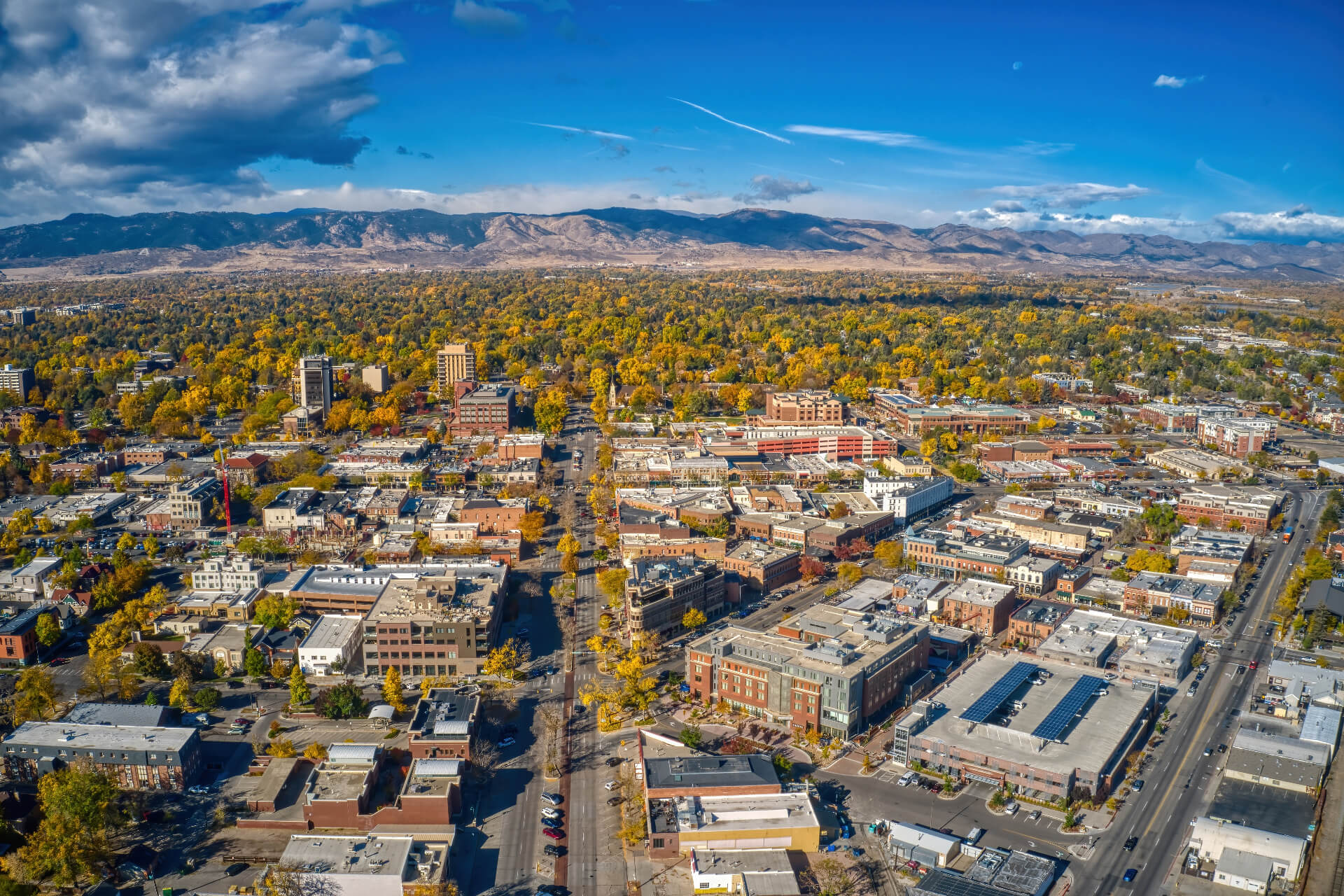


How is CSU's growth affecting Fort Collins real estate?
Colorado State University's record Fall 2025 enrollment of 35,953 students is one of the most significant demand drivers in Fort Collins' housing market. Buyers and sellers near campus face a distinct set of conditions compared to the broader Northern Colorado market: strong rental demand, seasonal pricing pressure around the academic calendar, and a tenant pool that doesn't shrink when mortgage rates rise.
What CSU's Record Enrollment Actually Means for Housing
When CSU announced record Fall 2025 enrollment of 35,953 students, including 5,246 first-year students (also a record), that wasn't just a headline for the university's marketing team. It was a signal about housing demand in Fort Collins that every buyer, seller, and investor in this market should understand.
Here's the math that matters: more than 27,000 undergraduates and nearly 7,700 graduate and professional students all need somewhere to live. CSU provides on-campus housing, but it can't absorb everyone. The overflow lands in Fort Collins' rental market and, increasingly, in owner-occupied homes purchased by parents or investors.
I walk my clients through this every time we're looking at a property within a mile or two of campus. The university isn't just a neighbor. It's a demand engine that runs on a 35,000-person cycle, year after year.
The Near-Campus Rental Dynamic
CSU's 1,600-plus-acre main campus footprint means the university's influence isn't limited to a single block or neighborhood. The demand pressure radiates outward, and the type of buyer it attracts shifts as you move farther from campus.
Close to campus, investors dominate. They're looking at rentability, turnover cycles, and whether a property can house three or four students. Owner-occupants in those same blocks often weigh different factors: parking, noise, and long-term neighborhood stability. Both are valid strategies, but they're not the same purchase.
Farther out, near-campus demand transitions into general Fort Collins housing pressure. CSU is also one of the city's largest employers, which means faculty, staff, and graduate students are competing for the same starter homes and mid-range inventory as everyone else.
The Seasonal Timing Factor
The Fort Collins market has its own version of seasonality, and it doesn't map perfectly onto the national spring-selling-season narrative. Late summer and early fall are when CSU-related housing pressure peaks. That's when students finalize leases, parents close on investment purchases, and move-in demand concentrates.
Right now, in August 2026, that pressure is building. If you're a seller with a property that could appeal to a student-housing investor or a parent buying for their college student, this window matters. If you're a buyer looking near campus, expect competition to be sharper in this period than at almost any other time of year.
The flip side: if you're buying a near-campus property as a long-term rental, the academic calendar gives you a relatively predictable demand cycle to plan around. That's a feature, not a bug, if you understand it going in.
| CSU Enrollment Category (Fall 2025) | Count | Housing Market Implication |
|---|---|---|
| Total Enrollment | 35,953 | Broad, sustained rental demand across Fort Collins |
| Undergraduates | 27,384 | Primary driver of near-campus rental turnover |
| Graduate & Professional Students | 8,569 | Demand for longer-term leases and starter-home purchases |
| First-Year Students (record) | 5,246 | Concentrated late-summer move-in pressure on entry-level units |
Source: Colorado State University, Fall 2025 Enrollment Release
What Buyers and Sellers Need to Know Before Acting
For Buyers: Proximity Is a Strategy, Not Just a Preference
If you're buying near CSU, the decision about how close to campus you want to be is a financial strategy, not just a lifestyle preference. Older single-family homes within walking distance of campus often carry investor-grade demand. That can work in your favor if you're house-hacking or planning to rent to students. It can work against you if you're paying a premium for a property that needs significant updates to justify the price.
My background in construction management means I always look beyond cosmetic finishes to assess a home's true condition and long-term value. A near-campus property that looks like a deal can carry deferred maintenance costs that change the math entirely. Get an inspection, look at the bones, and run realistic numbers before you commit.
For relocating buyers coming from out of town, the CSU factor is often underestimated. Fort Collins isn't just a college town in the casual sense. With over 70 undergraduate majors and more than 140 graduate degree programs, CSU attracts students and faculty from across the country, and that population shapes the city's housing market in ways that don't always show up in a Zillow estimate. I make it a priority to walk relocating clients through this context before we ever look at a single listing.
For Sellers: Know Your Buyer Pool
If you're selling a property within a mile or two of campus, your buyer pool is different from what you'd see in a suburban Fort Collins neighborhood. Investors, parents purchasing for a student, and house-hackers are all realistic buyers. That changes how you should price, stage, and market the home.
Timing matters here too. Listing in late summer, when CSU's move-in demand is peaking, puts you in front of buyers who are motivated and on a deadline. That's a meaningful advantage if you use it. If you're sitting on a near-campus property and wondering whether to list now or wait, that's exactly the kind of question I work through with sellers before we even talk about price.
One process detail worth flagging: in Larimer County, the Larimer County Assessor uses January 1 as the property tax lien and ownership snapshot date for assessment purposes. That affects how property tax prorations are calculated at closing. For any questions about how that affects your specific transaction, verify the details with your closing officer or attorney.
For recording and deed transfer questions in Fort Collins, the Larimer County Clerk and Recorder is the authoritative office. If you have questions about how a title transfer or lien gets recorded locally, that's your first stop.
If you're thinking about renovations before listing, I'd also point you to my breakdown of the top renovations that can increase your sale price. Near-campus properties often benefit from targeted updates rather than full remodels, and knowing where to spend matters.
The Broader Fort Collins Picture
CSU's growth doesn't just affect the blocks immediately adjacent to campus. It shapes the entire Fort Collins housing market. The university is one of the city's largest employers, and that employment base supports demand for housing at every price point. According to the Colorado Department of Local Affairs' Division of Property Taxation, Colorado's property tax framework also affects carrying costs across all residential property in Fort Collins, not just near-campus homes. Understanding how those assessments work is part of the full picture for any buyer or seller here.
The bottom line: CSU's record enrollment is a durable demand signal, not a one-year spike. Whether you're buying, selling, or evaluating a rental investment near campus, the university's growth trajectory is one of the most reliable data points in this market. The specific numbers for your property, your timing, and your goals still require a local analysis. That's where I come in.
Frequently Asked Questions
How is CSU enrollment affecting Fort Collins home prices?
CSU's record Fall 2025 enrollment of 35,953 students sustains strong housing demand in Fort Collins, particularly near campus. More students competing for a limited supply of rental units and entry-level homes creates upward pressure on prices and rents in those areas. The effect is most concentrated within walking or biking distance of campus, but it ripples outward because CSU is also one of Fort Collins' largest employers.
Which Fort Collins neighborhoods are most influenced by CSU student housing demand?
Neighborhoods closest to CSU's 1,600-plus-acre campus see the most direct student-housing demand, including areas immediately west and south of campus. As you move outward, the influence shifts from student rentals toward faculty and staff housing, and eventually into the broader Fort Collins market. I can walk you through how specific neighborhoods compare based on your goals, whether you're buying to live in or to rent out.
Is buying a house near CSU a good investment for rental income?
Near-campus properties in Fort Collins can generate consistent rental income given the steady student tenant pool, but the investment case depends heavily on the specific property's condition, price, and your management approach. Older homes close to campus often need more maintenance than they appear to at first glance. I always look at the bones of a property, not just the surface, before advising a client on whether the numbers actually work.
What's the best time of year to buy or sell in Fort Collins if CSU is a factor?
Late summer and early fall are the peak demand windows for CSU-related housing, with the most concentrated move-in activity happening as the academic year begins. Sellers with near-campus properties can benefit from listing during this window when investor and parent-buyer demand is highest. Buyers, on the other hand, may find less competition in the winter months, though inventory near campus also tends to be thinner then.
Does CSU growth increase demand for starter homes in Fort Collins?
Yes, in two ways. Graduate students, young faculty, and staff often compete for the same entry-level inventory as first-time homebuyers, which tightens supply at that price point. Additionally, CSU's record first-year class of 5,246 students in Fall 2025 means more families are looking at Fort Collins as a place to purchase rather than rent, particularly parents who prefer buying over paying student-housing rates for four or more years.
The Right Move Starts with the Right Local Knowledge
CSU's growth is one of the most consistent forces shaping Fort Collins real estate, and understanding how it applies to your specific situation, your neighborhood, your timing, and your goals, is what separates a good decision from a costly one. Whether you're buying near campus, selling a rental property, or relocating to Fort Collins for the first time, I bring over two decades of Northern Colorado market experience and a builder's eye to every transaction.
Start with a free home evaluation and let's look at what CSU's growth actually means for your property or your search: get your free home evaluation at smartmoveswithshannon.com.
Equal Housing Opportunity. Shannon Ellis is licensed with West + Main Homes, regulated by the Colorado Division of Real Estate. This article is general information only and does not constitute legal, tax, or financial advice. Confirm your specific transaction costs, tax obligations, and closing details with your attorney, tax advisor, lender, or escrow/closing officer.
Check out this article next