

New Construction in Northern Colorado: What to Check Before You Buy
How do you check build quality on a new construction home in Northern Colorado?
Hire your own inspector for three phase inspections — framing, pre-drywall, and final — and review the builder's soils report, warranty terms, and site grading before you close. Those four documents and visits catch nearly everything that becomes expensive later.
The Short Version
If you only read one part of this, read this list. Each item links to the full explanation below.
- Soils and foundation — Colorado's expansive clay is the single most expensive thing to get wrong here, and it's invisible after the concrete cures.
- Building envelope — Framing, insulation, and air sealing determine your utility bills for the life of the home.
- Mechanical rough-ins — HVAC, plumbing, and electrical are visible for about three weeks. Then drywall goes up and you're guessing.
- Site drainage — The problem buyers never think about and the one that causes the most damage.
- Builder and warranty — What happens in year two matters as much as what happens at closing.
If You're Moving Here From Out of State, Read This First
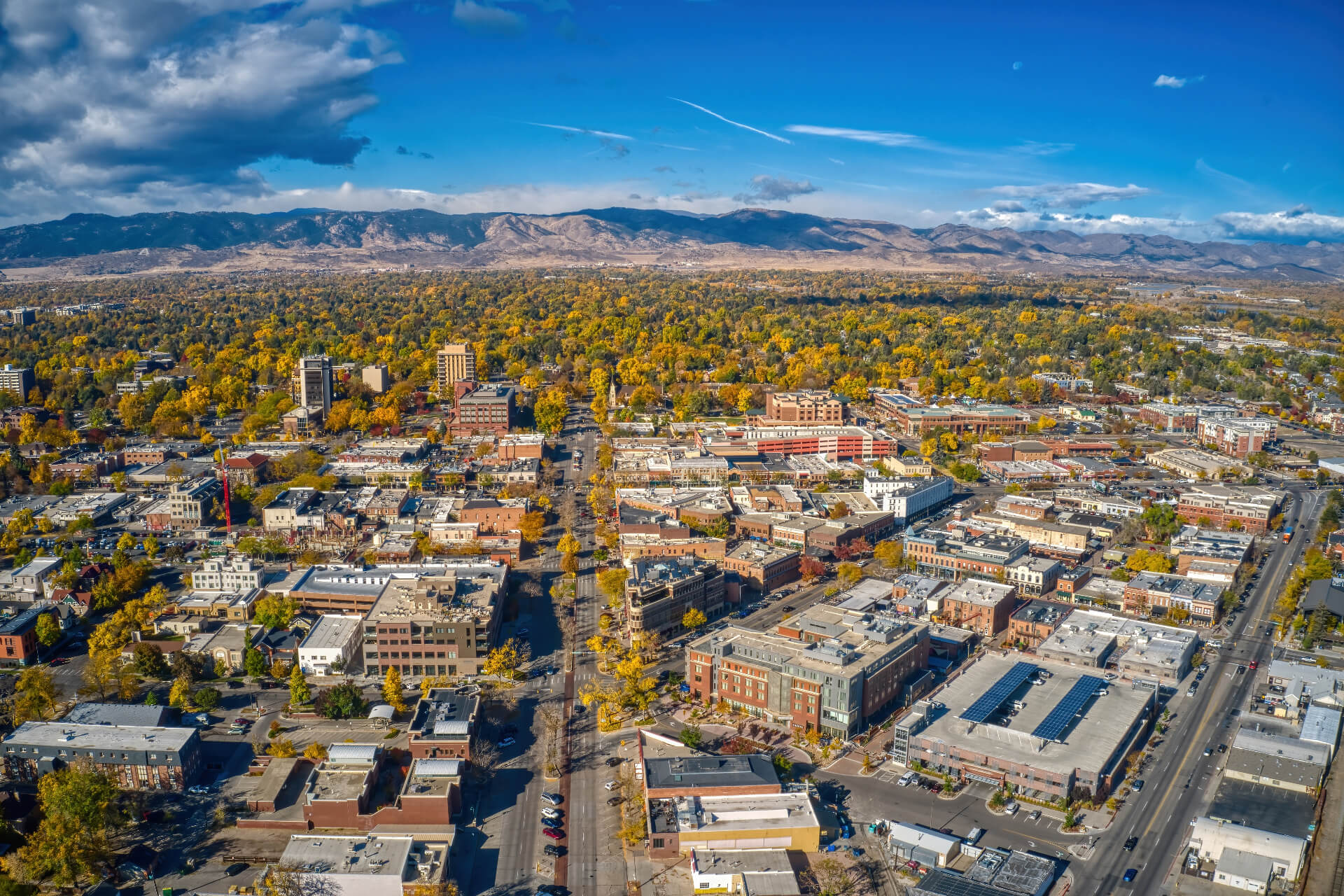
Northern Colorado — locals call it NoCo — is the stretch of the Front Range about an hour north of Denver. It covers Larimer County (Fort Collins, Loveland, Timnath, Wellington) and Weld County (Greeley, Windsor, Severance, Johnstown). It has been one of the fastest-growing parts of the state for years, and a large share of what's for sale right now is new construction.
Here's what I hear constantly from buyers relocating here: "It's brand new, so I don't need to worry about it."
That assumption costs people real money. New construction has its own category of problems. Subcontractors work fast, municipal inspections are limited in scope, and the pressure to close on schedule creates shortcuts that don't surface until you've lived through a season or two.
It also matters that building in Colorado is not like building where you're probably coming from. Our soil moves. Our freeze-thaw cycles are brutal on concrete and flashing. Hail is a routine expense, not a rare event. Snowmelt arrives fast and all at once. A builder who does excellent work in Texas or the Southeast is not automatically doing excellent work here, and the details that matter are different.
My M.S. in Construction Management means I walk into a framed house and see things most buyers don't notice until they're already on the hook for a mortgage. Here's what I look at, in the order it matters.
The Five Things That Reveal True Build Quality
1. Did the builder actually follow the soils report?
This is first because it's the most expensive to fix and the most specific to Colorado. Much of the Front Range sits on expansive clay — soil that swells when it gets wet and shrinks when it dries. That movement can crack foundations, heave basement slabs, and rack door frames out of square.
Colorado law is on your side here. Under C.R.S. § 6-6.5-101, the builder must give you a summary of the soils analysis and site recommendations at least 14 days before closing. If the site has significant expansive soil potential, they must also give you a publication explaining the risks and maintenance. The Colorado Geological Survey publishes that guide.
Most buyers file that report without reading it. Don't. What I want to know:
- Which foundation design did the geotechnical engineer recommend, and which one did the builder use? Engineers often present several options. Drilled piers cost more than spread footings. Cheaper designs reduce risk less.
- Is the basement floor a structural floor or a slab on grade? In moderately to highly expansive soil, a structural floor over a void space is meaningfully better protection.
- Was a subsurface drain system installed, and where does it discharge?
- What does the report say about maintaining moisture levels around the foundation? This becomes your job as the homeowner, and the landscaping decisions you make in year one can either help or hurt.
Ask for the lot-specific report, not the subdivision-wide one. They are not the same document.
2. Is the building envelope actually sealed?
The envelope is everything separating conditioned space from the outside. In Northern Colorado, where winters push well below zero and summers bring intense UV and hail, a poorly sealed envelope means high utility bills and moisture problems for the life of the home.
At framing stage, I'm looking at:
- Lumber quality and spacing. Are studs straight? Is there excessive crown or bow that will telegraph through drywall within a year?
- Header sizing over windows and doors. Undersized headers deflect, which means sticking doors and cracked drywall.
- Sheathing and house wrap. Gaps, improperly lapped seams, or missing flashing at penetrations are the most common sources of moisture intrusion I see in new builds.
- Insulation installation. Batts stuffed carelessly around wiring or left with gaps lose a significant share of their rated R-value. Rated R-value and installed R-value are two different numbers.
Colorado's energy code has tightened in recent years, and the state adopted the 2021 IECC with amendments. But meeting minimum code and building a high-performance envelope are not the same thing. Ask which standard the builder is building to, and get the answer in writing.
3. Are the mechanical rough-ins done right?
Mechanical systems are where deferred maintenance turns into emergency repairs. At rough-in, before drywall, you can see everything. After drywall, you're guessing.
- HVAC: Duct routing and sizing. Undersized supply ducts create pressure imbalances, hot and cold rooms, and systems that short-cycle. A system that can't hold temperature in a Fort Collins January is a real problem, not an inconvenience.
- Plumbing: Pipe support, proper slope on drain lines, and whether water lines at exterior walls are protected from freezing. The International Code Council sets requirements Colorado adopts and amends, but field installation doesn't always match the plan.
- Electrical: Whether the panel is sized for the home's actual load, including EV charging if that matters to you. Many production builders install the minimum panel size to hit a price point. Upgrading later is expensive.
I walk clients through this before they're committed to a specific lot or floor plan, because once you're under contract your leverage to negotiate upgrades shrinks fast.
4. Does the site actually drain away from the house?
This is the one buyers almost never think about, and it causes the most expensive problems. Improper grading directs water toward the foundation instead of away from it — which, on expansive soil, is exactly how you activate the problem in check #1.
Walk the lot after a rain if you can. Look for:
- Positive drainage on all sides. The ground should slope away from the house for at least the first six feet.
- Downspout extensions that discharge well away from the foundation, not right at it.
- Window wells with their own drainage, not just a gravel bed that fills up.
- Swales between lots that are properly shaped and not blocked by landscaping.
I've seen brand-new homes in Weld County where final grading left the backyard draining straight toward a walk-out basement. The builder corrected it — but only because the buyer had someone with them who caught it before closing.
5. What does the builder actually do when something goes wrong?
Build quality matters. So does what happens in year two. Colorado provides certain implied warranties for new construction under the Construction Defect Action Reform Act (C.R.S. Title 13), but how claims actually get handled varies enormously by builder.
Before you sign, ask:
- What's the typical response time on a warranty claim?
- Is warranty service handled in-house or subcontracted out?
- Is there a third-party structural warranty, such as a 10-year policy through 2-10 Home Buyers Warranty?
- What's the track record with the Better Business Bureau and on local homeowner forums?
A builder active in Fort Collins or Windsor or Greeley for 15 years has a record you can evaluate. A national production builder who entered Northern Colorado three years ago is harder to assess, and their local subcontractor relationships matter as much as the national brand.
When to Inspect: A Stage-by-Stage Guide
| Inspection Stage | What to Assess | Why It Matters |
|---|---|---|
| Pre-pour (foundation) | Footing depth, rebar placement, form alignment, conformance to the soils report | Foundation errors are the most expensive thing to correct after the fact |
| Framing / rough-in | Lumber quality, header sizing, mechanical rough-ins | Last chance to see inside the walls |
| Pre-drywall | Air sealing, insulation coverage, window flashing | Envelope performance is set here and hard to fix later |
| Final walk-through | Grading, drainage, finish quality, punch list | Your leverage to require corrections before closing |
Get Your Own Inspector, Even on a New Build
The municipal inspector works for the jurisdiction, not for you. Their job is to confirm minimum code compliance — not to evaluate whether this is a well-built house.
I recommend a phase inspection approach: one at framing/rough-in, one at pre-drywall, one at final. Yes, it costs more than a single inspection. It is worth it. InterNACHI has a locator — look for someone who specifically lists new construction phase inspections in their services.
One more thing worth saying plainly: the builder's sales representative works for the builder. They are often lovely, knowledgeable people, and they are not your advocate in a negotiation. Having your own agent costs you nothing at the point of sale in most builder transactions, and it changes what you know before you sign.
One Line Item Relocation Buyers Always Miss: Metro Districts
A large share of newer subdivisions in Weld and Larimer Counties sit inside metropolitan districts — special taxing districts that fund the infrastructure of the development and repay it through an additional mill levy on your property tax bill.
This is not a scandal; it's a normal financing structure. But it's frequently a surprise. Two homes listed at the same price in Timnath and Fort Collins can carry meaningfully different annual carrying costs because of it, and out-of-state buyers comparing sticker prices often don't see it until the closing disclosure.
Ask for the district's mill levy, its debt service schedule, and whether the levy is expected to change. Review every HOA and metro district document with your agent before your due diligence deadline passes.
Frequently Asked Questions
Do I need a home inspection on a brand-new construction home?
Yes, and ideally more than one. A phase inspection approach — framing, pre-drywall, and final — catches issues before they're covered up. Municipal code inspections confirm minimum compliance, not overall quality. An inspector you hire works for your interests, not the builder's.
What's the most common quality problem in new construction homes in Northern Colorado?
The two I see most often are improper site grading and drainage, followed by air sealing gaps in the building envelope. Both become invisible once landscaping and drywall go in, and both cause real problems within the first few years.
What is a soils report and why does it matter in Colorado?
A soils report is a geotechnical analysis of your specific lot, including foundation and drainage recommendations from a licensed engineer. Colorado law requires the builder to give you a summary at least 14 days before closing. It matters because much of the Front Range sits on expansive clay soil that moves with moisture, and the foundation design chosen for your lot determines how well the home handles that movement.
Is new construction a good choice if I'm relocating to Northern Colorado from out of state?
It can be an excellent choice, particularly if you're arriving on a timeline that doesn't line up with resale inventory. The thing to understand is that building conditions here differ from most of the country — expansive soils, freeze-thaw cycles, hail, and rapid snowmelt all shape what "well built" means locally. Evaluate the builder against Colorado-specific standards rather than assuming a national brand performs the same in every market.
Can I negotiate upgrades or repairs on a new construction home?
Yes, but your leverage is highest before you sign the purchase agreement and during construction milestones — not at final walk-through. Builders are far more willing to address structural or mechanical items during construction than to tear out finished work.
What warranty protection do I have on a new construction home in Colorado?
Colorado provides certain implied warranties under the Construction Defect Action Reform Act (C.R.S. Title 13), covering workmanship, materials, and structural defects for specified periods. Beyond that, individual builder warranties vary significantly. Review the specific terms before signing and ask whether a third-party structural warranty is included.
Should I use the builder's preferred lender?
Builders often offer incentives to use their preferred lender, and those incentives don't always offset the cost of a less competitive loan. Get at least one outside quote and compare full loan terms, not just the rate.
Ready to Make a Smart Move?
New construction in Northern Colorado can be a genuinely great decision — but only if the build quality holds up. The way to make sure it does is to have someone with real construction knowledge walking the site with you, not a checklist from the internet.
If you're considering a new build in Larimer or Weld County and want someone who can evaluate what's actually behind the walls, let's talk before you pick a lot. That's when it counts most.
Shannon Ellis, Realtor® and M.S. Construction Management, West and Main Homes, has served buyers and sellers in Fort Collins and Northern Colorado since 1998. Call or text 970-988-3810 or visit SmartMovesWithShannon.com.
For more on what to avoid during the buying process, read things you shouldn't do when buying a home.
About Shannon
Shannon Ellis is a Northern Colorado real estate agent with West and Main Homes, serving buyers and sellers across Larimer and Weld Counties. Her M.S. in Construction Management gives her clients a practical edge when evaluating new builds, renovation potential, and property condition. She runs Smart Moves With Shannon, where the focus is helping clients make confident, well-informed decisions at every stage of the transaction. Reach her at 970-988-3810.
Equal Housing Opportunity. This article is general information only and does not constitute legal, tax, or financial advice. Confirm all costs, warranty terms, code requirements, and transaction details with your attorney, tax advisor, lender, or closing officer before making any decisions.
Check out this article next