
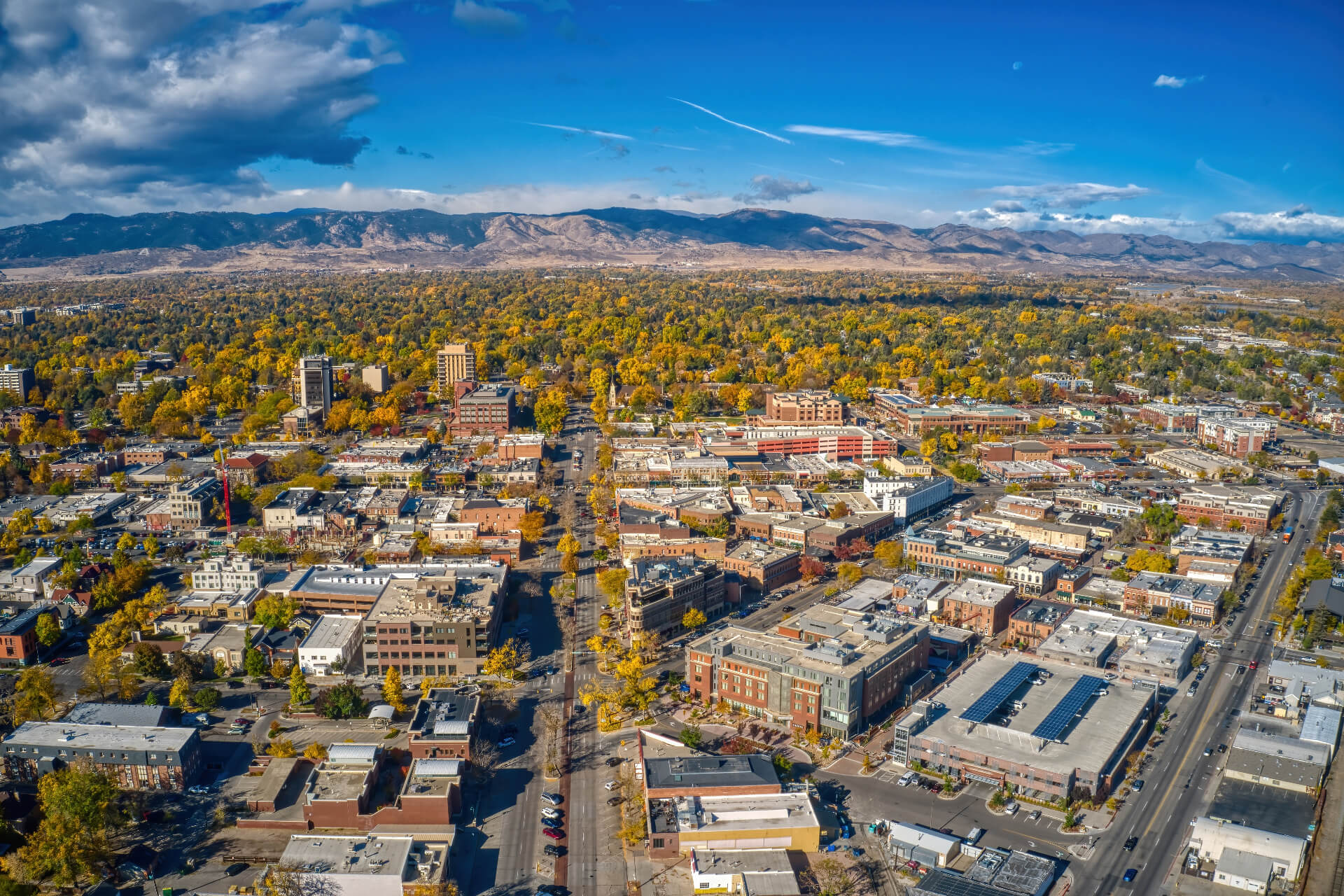


The I-25 corridor between Fort Collins and Denver spans roughly 65-76 miles with a baseline drive of 60-75 minutes, extending to 75-100 minutes during rush hour. Population growth across Larimer, Weld, and Boulder counties is intensifying both housing demand and traffic pressure, making location along the corridor a critical factor in any home purchase decision.
What should I know about commuting and housing along the I-25 corridor from Fort Collins to Denver?
The I-25 corridor between Fort Collins and Downtown Denver covers roughly 65-76 miles, with a baseline drive time of 60-75 minutes under normal conditions that can stretch to 75-100 minutes during morning and evening rush hour. Nearly 895,000 residents across Larimer, Weld, and Boulder counties depend on this stretch of highway, and without major capacity improvements, traffic engineers project conditions could deteriorate significantly by 2035. Where you buy along this corridor matters as much as what you buy.
The Real Commute Picture: What I-25 Actually Costs You in Time
Here's what I tell every buyer who's considering Northern Colorado while working in Denver: the commute is manageable today, but it requires a strategy.
According to Living in Denver's Fort Collins distance guide, the typical Fort Collins to Downtown Denver drive runs 60-75 minutes under normal traffic and weather. A Route Outlook analysis puts the distance closer to 76 miles and about 1 hour 16 minutes under ideal conditions. Both sources are clear that rush hour changes the math significantly.
The chokepoint is the Loveland-to-Thornton/Broomfield stretch. Southbound mornings between roughly 7 and 9 AM, and northbound evenings from 4 to 6:30 PM, are when that segment slows to a crawl. If you're commuting five days a week, that's a real chunk of your day.
What's interesting is the contrast with local Fort Collins life. Most Fort Collins residents who work locally have a median commute of about 18 minutes, according to the same Fort Collins distance resource. The long-haul I-25 commuter is a different profile entirely, and I work with both types regularly.
The 2035 Warning You Need to Know About
This is where the conversation gets serious. The Fort Collins Chamber of Commerce Fix I-25 North overview lays out a sobering trajectory. The 26-mile segment between Highway 14 in Fort Collins and Highway 66 in Longmont currently carries approximately 45,000 vehicles daily and is already operating at Level of Service D, the traffic engineering rating that means unstable flow and frequent delays.
Without major improvements, that same report projects deterioration to Level of Service E within about 10 years, and Level of Service F by 2035. In practical terms, that could mean travel times of up to 3 hours from Fort Collins to Denver and DIA under peak conditions. That projection is from an April 2024 report and remains the most recent published figure as of August 2026.
I'm not sharing that to scare anyone away from Northern Colorado. I'm sharing it because buyers who are thinking about a 30-year mortgage need to factor in what this commute looks like in year 10 or year 15, not just today. Flexible work arrangements and hybrid schedules have changed the calculus for a lot of my clients, but it's a conversation worth having before you sign.
Weather Adds Another Variable
If you're moving from outside Colorado, the winter factor deserves its own mention. From roughly November through March, snow, ice, and high-wind events on I-25 can push that baseline 60-75 minute drive well past 100 minutes. The COtrip Traveler Information system, run by the Colorado Department of Transportation (CDOT), is the tool I point every client to for real-time road conditions, chain law alerts, and mile-marker-specific reports before they head out. Bookmark it before your first winter.
And if you travel frequently for work, Fort Collins to DIA runs about 80 miles, typically 65-80 minutes in non-peak conditions with 20-40 minutes added during rush hour. The standard routing is I-25 South to E-470 or Peña Boulevard. Airport access is a real factor in where along the corridor makes sense for you.
Housing Along the Corridor: What the Market Looks Like in 2026
The Northern Colorado segment of I-25 has seen sustained population growth. A July 2026 analysis of the fastest-growing communities in the region showed Greeley at roughly 10% growth over five years, Fort Collins at roughly 8%, and Loveland at roughly 6%. That growth is showing up in housing demand across the board.
In Fort Collins specifically, the most recent Local Market Updates from the Fort Collins Board of REALTORS® show the market tightening in 2026. June 2026 data shows days on market declining from 57 to 51 compared with the same period in 2025. Homes are moving faster, and that trend has been consistent across the February and April 2026 updates as well. Fort Collins isn't overheated, but it's not sitting still either.
For context on what corridor-adjacent submarkets look like closer to Denver, a January 2026 snapshot from Redfin's I-25 Corridor neighborhood data in Centennial showed homes going pending in around 8 days and selling after a median of about 5 days on market. That's a highly competitive pocket, and it illustrates how demand concentrates near the corridor even as you move south.
| Community | Approx. 5-Year Population Growth | Baseline Drive to Downtown Denver |
|---|---|---|
| Fort Collins | ~8% | 60-75 min (normal conditions) |
| Loveland | ~6% | 50-65 min (normal conditions) |
| Greeley | ~10% | 55-70 min (normal conditions, via I-25 south) |
Population growth figures from a July 2026 regional analysis. Drive times are baseline estimates under normal traffic; rush hour adds 20-40+ minutes. Verify current conditions via COtrip.
Micro-Location Matters More Than You Think
One thing I walk every corridor buyer through is the difference between living in Fort Collins versus living in a community closer to the Loveland-Thornton chokepoint, like Johnstown, Mead, or Firestone. Those mid-corridor communities can shave meaningful time off a Denver commute while still offering Northern Colorado pricing and lifestyle. The trade-off is that you're not in Fort Collins proper, with all the amenities that come with it.
If you're curious what life actually looks like in communities along the broader Front Range corridor, my post on living in Westerly, Erie gives a ground-level view of one of those mid-corridor options. Erie sits right in the sweet spot between Northern Colorado and Denver, and it's a community I know well.
Your specific trade-off depends on how often you actually need to be in Denver, whether your employer supports hybrid scheduling, and what you're prioritizing in a home and neighborhood. That's exactly the kind of conversation I have with clients before we ever start touring.
Tools and Alternatives Worth Knowing
Beyond COtrip, the CDOT homepage links to traffic cameras, travel alerts, and traffic data programs covering I-25 and the broader Denver region. The Denver Regional Council of Governments (DRCOG) runs a Regional Traffic Count Program that tracks volumes along major corridors including I-25, and their Way to Go program provides resources on carpooling, vanpooling, and transit options for commuters traveling into the Denver metro from outlying communities. For buyers who want to reduce their solo-driving days, these programs are worth exploring early.
CDOT also operates Bustang, a state-run regional bus service that connects Northern Colorado and Denver on a predictable schedule. For buyers who'd rather work on a laptop than grip a steering wheel through rush hour, it's a legitimate option that factors into the commute calculus.
And if you're thinking about Colorado winters specifically, my post on preparing your home for freezing temperatures in Colorado covers what new residents often don't anticipate before their first season here.
Frequently Asked Questions
How long does it really take to drive from Fort Collins to Downtown Denver during rush hour?
Under normal conditions, the drive runs 60-75 minutes. During the morning southbound rush (roughly 7-9 AM) and the evening northbound return (4-6:30 PM), that extends to 75-100 minutes, with the Loveland-to-Thornton/Broomfield segment being the primary chokepoint. Winter weather can push times even further. Check COtrip before you head out on any uncertain morning.
Is it realistic to live in Fort Collins and commute daily to Denver or the Tech Center?
It's doable, and plenty of people do it, but it works best with a hybrid or flexible schedule rather than five days a week in the car. The baseline round trip is 2-2.5 hours on a good day, and the I-25 North corridor is already at Level of Service D with projections worsening by 2035 without major improvements. Most of my clients who make this work are in the office two or three days a week, not five.
Are there plans to expand or fix I-25 North to reduce congestion?
The Fort Collins Chamber of Commerce has been actively advocating for capacity and operational upgrades through their Fix I-25 North initiative, which lays out the Level of Service decline and the 2035 risk. As of August 2026, the corridor's long-term improvement timeline is still being worked through at the regional and state level. Buyers should factor current conditions into their decision rather than banking on near-term relief.
Which Northern Colorado communities along I-25 offer shorter commutes with more affordable housing than Denver?
Communities like Loveland, Johnstown, Mead, and Firestone sit in the mid-corridor zone between Fort Collins and the northern Denver suburbs, which can reduce commute time compared to Fort Collins while still offering Northern Colorado pricing and space. Greeley, slightly east of I-25, has seen roughly 10% population growth over five years and can offer competitive pricing for buyers willing to add a few minutes to the drive. The right fit depends on your specific workplace destination and how you weight commute time against other priorities.
What tools can I use to check real-time I-25 traffic before commuting?
COtrip, operated by CDOT, is the official source for live road conditions, winter driving alerts, and chain law status along I-25. Most regular corridor commuters combine it with Google Maps or Waze for real-time rerouting around incidents. DRCOG's Way to Go program is also worth bookmarking if you're exploring carpool or vanpool options.
The Bottom Line
The I-25 corridor is one of the most consequential factors in any Northern Colorado home purchase decision, and it's one I take seriously with every client. Where you land along those 65-plus miles shapes your daily life in ways that go well beyond the price per square foot.
If you're weighing Fort Collins versus a mid-corridor community, or trying to figure out whether a hybrid schedule makes the commute workable, let's talk through the specifics. I know this corridor, I know these communities, and I can help you map the trade-offs before you commit. Reach out to schedule a consultation and let's figure out where along the corridor makes the most sense for your situation.
Equal Housing Opportunity. This article is provided for general informational purposes only and does not constitute legal, tax, or financial advice. Readers should confirm their own numbers and circumstances with a licensed attorney, tax advisor, lender, or escrow/closing officer.
Check out this article next